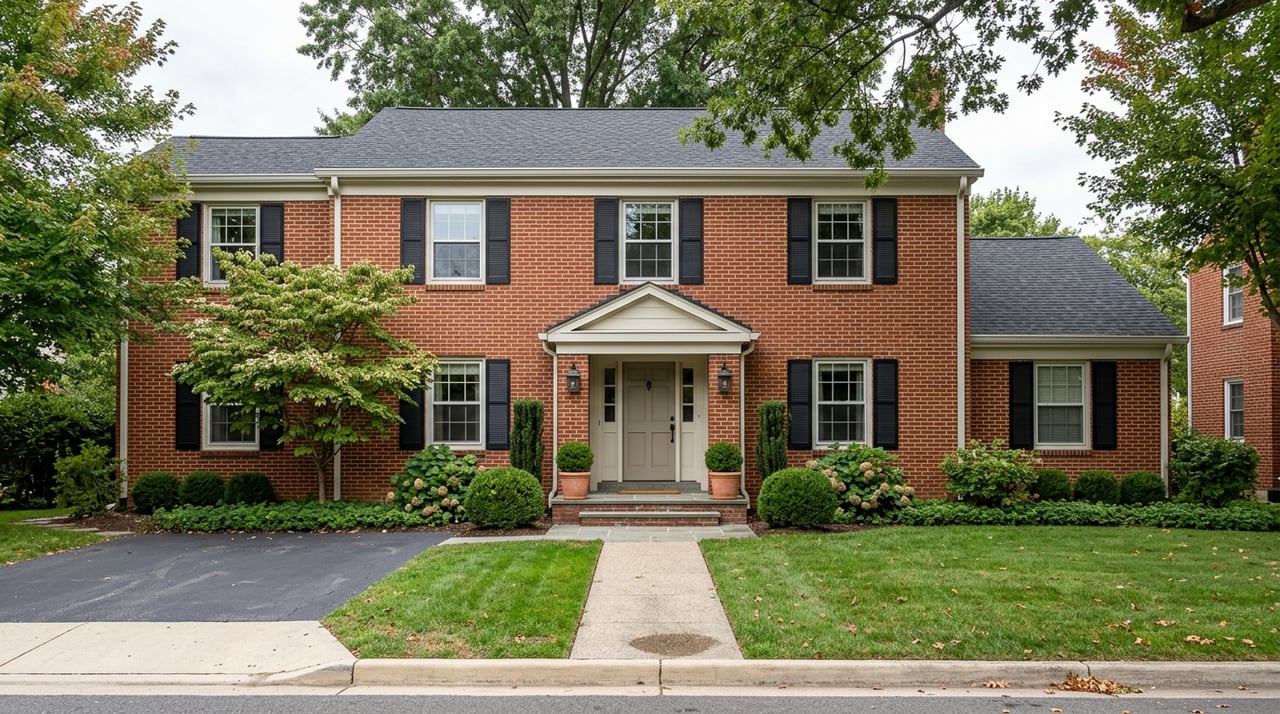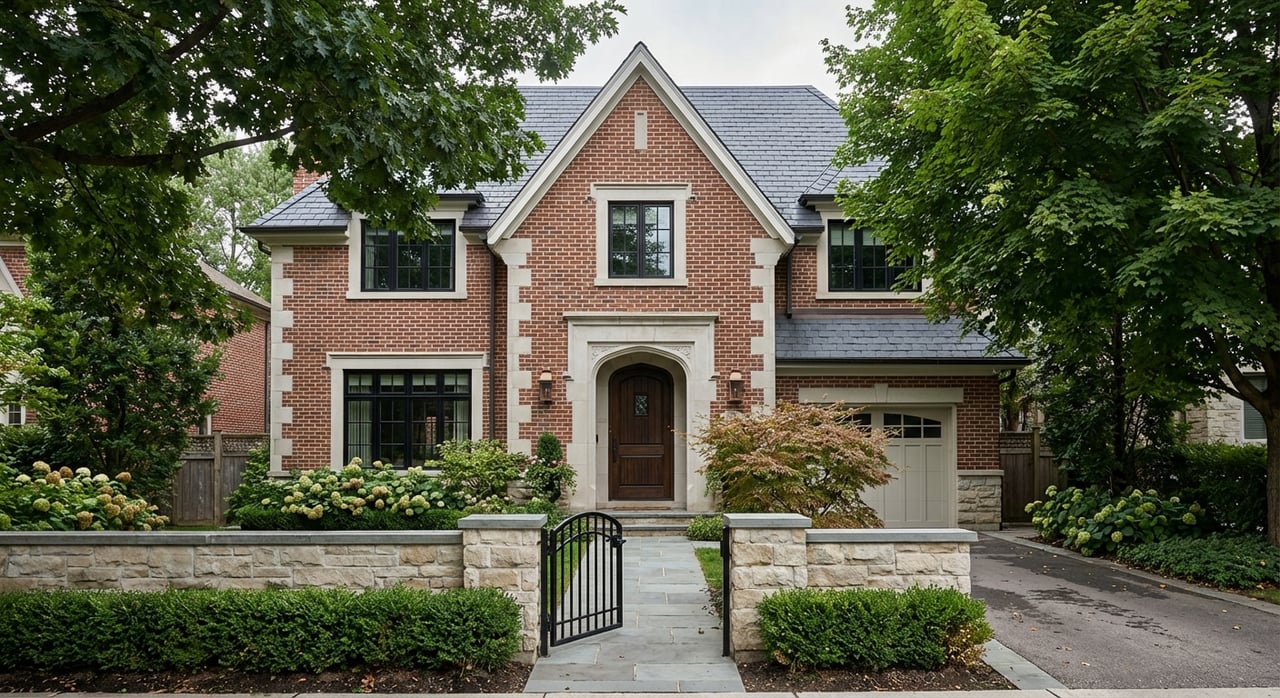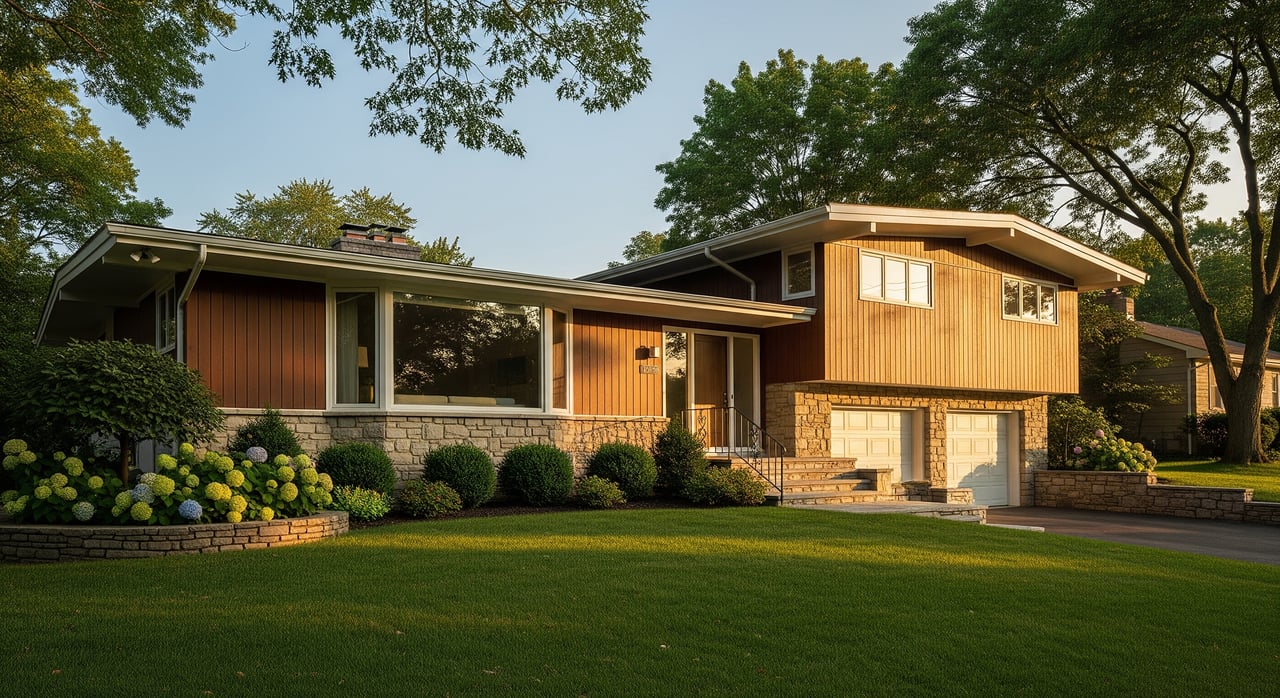
Split-level homes can offer a lot of living space without a huge footprint, which fits many Teaneck lots and lifestyles. If you are curious about this style, you are not alone. These homes became popular during Teaneck’s mid-century growth and still show up across the township today. In this guide, you will learn how split-level layouts work, what to watch for during showings, renovation ideas, and how they compare to colonials and ranches. Let’s dive in.
Why split-levels in Teaneck
Many Teaneck neighborhoods saw rapid development in the 1950s to 1970s. Builders used split-level designs to create separation between living and sleeping areas while keeping a modest footprint on sloped or smaller lots. The style also worked well for commuters who wanted efficient space near major roads. You still find split-levels alongside colonials and ranches throughout the township.
How layouts work
Classic tri-level
- Entry at a mid level with short stairs up and down.
- Upper level holds bedrooms and one or two full baths.
- Main level includes living room, dining area, and kitchen.
- Lower level has a family or rec room, utility and laundry, often a half bath, and access to the yard or garage.
Side-split
- Rooms are staggered side to side rather than strictly up and down.
- Garage is often attached at the mid or lower level.
- Living and sleeping zones still feel distinct, with short stair runs between them.
Raised ranch or bi-level
- One flight up to main living areas, one flight down to a basement level.
- Sometimes overlaps with split-level features in local listings.
- Lower level may be finished for extra living space.
Beds, baths, and size
Many Teaneck split-levels offer 3 bedrooms, with some ranging from 2 to 4 depending on additions. You often see 1 to 2 full baths on the upper or main levels and a half bath on the lower level. Original builds may have 1 full plus 1 half bath, while modernized homes can feature 2 or more full baths. Finished lower levels can add meaningful usable square footage.
Everyday flow and feel
Expect multiple short staircases that separate living zones. Kitchens in older homes are often more closed off, not fully open to the living or dining areas. Ceiling heights on mid and lower levels may be lower than in full two-story homes. If you want a bright, open plan, plan for some renovation to remove or alter walls.
Renovation planning
Opening the main level is one of the most popular updates. Removing a wall between the kitchen and dining or living room can create a better flow. Because split-levels rely on short-run stairs and specific beam locations, work that touches structure should be designed by a qualified professional.
Bathrooms and kitchens are the next big focus for value and livability. Many buyers add a second full bath if the home only has one. Lower levels can be reimagined as an office, guest suite, or media room. If you convert a lower space to a bedroom, plan for proper egress and confirm ceiling heights meet code.
Mechanical systems matter. Check the age and placement of furnaces, water heaters, and laundry on the lower level. Moving equipment can be costly. Improving insulation, upgrading electrical service, and replacing older windows can boost comfort and efficiency.
Permits and safety basics
Before you remodel, confirm what past work was permitted and closed. Additions, garage conversions, finished basements, and structural changes generally require permits and inspections through the Teaneck Building Department. Zoning rules also guide setbacks and lot coverage.
For homes built before 1978, plan for lead-based paint disclosures and consider testing. Properties from the mid-century era may also have asbestos in some materials, which requires professional handling if disturbed. Radon testing is recommended, and mitigation systems are common in New Jersey if levels are elevated. Always confirm egress requirements when creating or marketing a bedroom on a lower level.
Cost and scope examples
- Cosmetic refresh: paint, flooring, light fixtures, and minor kitchen or bath updates often run in the tens of thousands, depending on finishes. Timelines can be weeks to a few months.
- Moderate renovation: a new kitchen, one full bath update, some window replacements, and HVAC tune-up typically land in the tens of thousands to mid tens of thousands. Plan for a few months with permits.
- Major transformation: opening walls with structural work, a full kitchen redo, added bathrooms, lower-level finishing, mechanical upgrades, and roof or siding replacements can reach mid five-figures to six-figures. Expect a longer, staged timeline and detailed permits.
Actual costs vary based on scope, selections, and local labor. Always get multiple Bergen County contractor bids and a clear plan review before you commit.
Market position vs other styles
In Teaneck, colonials often command a premium on a per-square-foot basis due to traditional layouts and larger upstairs bedroom zones. Ranch homes are attractive to buyers who want single-level living, which can drive strong demand for updated examples. Split-levels generally sit between these styles and can compete very well when modernized.
Updated kitchens and baths, an extra full bath, and a finished, dry lower level usually have the greatest impact on buyer appeal. Improving curb appeal, windows, and mechanicals also helps. The exact price outcome depends on condition, size, lot utility, property taxes, proximity to transit, and specific attendance zones.
What to check at a showing
- Confirm which levels are finished and legal living space.
- Look for moisture clues on the lower level: musty odors, efflorescence, stains, sump pump and drains.
- Ask for ages and service records for roof, HVAC, water heater, and major renovations.
- Review electrical service size and panel condition. Ask about any older aluminum or knob-and-tube wiring history.
- Consider lead and asbestos testing on pre-1978 and pre-1980 materials.
- Verify egress if you plan to use a lower room as a bedroom.
- Inspect grading, gutters, and foundation for cracks or repairs.
- Check ductwork condition, insulation levels, and window age for energy performance.
- Note proximity to busy roads and review flood risk.
Next steps in Teaneck
If a split-level fits your lifestyle, start with a clear plan. Pull permit history, verify finished square footage, and schedule a full home inspection with radon testing. Ask for documentation on upgrades and past work. If you are planning renovations, line up local contractor bids and confirm structural feasibility early.
You do not have to navigate this alone. With deep Bergen County experience and a full-service approach, Crystal can help you compare layouts, estimate resale impact, and negotiate confidently. If you are ready to tour Teaneck split-levels or want a pricing review of a specific property, connect with Crystal Burns for local guidance.
FAQs
What defines a split-level layout in Teaneck?
- A split-level uses short stair runs to separate living, sleeping, and lower-level spaces, often with bedrooms upstairs, common areas on the main level, and a family or utility area down.
How many bedrooms and baths are typical?
- Three bedrooms is common, with 1 to 2 full baths and sometimes an additional half bath on the lower level; renovated homes may have 2 or more full baths.
Can I open the kitchen to the living area?
- Often yes, but you may encounter load-bearing walls that require engineered beams or posts and permits, so confirm plans with qualified pros.
Is the lower level a legal bedroom?
- Only if it meets code, including minimum ceiling height and proper egress; verify permits and window sizes before labeling or using it as a bedroom.
What renovation costs should I expect?
- Cosmetic updates can be tens of thousands, moderate projects tens to mid tens of thousands, and major overhauls mid five-figures to six-figures, depending on scope and finishes.
How do split-levels compare to colonials on resale?
- Condition drives outcomes; renovated split-levels that add baths and modernize the main level can narrow the gap with colonials in many neighborhoods.
Are there special health checks for mid-century homes?
- Yes, consider testing for lead-based paint in pre-1978 homes, watch for possible asbestos in older materials, and include a radon test during inspection.