Is your SoHo loft ready to win over today’s buyer? In a market where design and light drive decisions, small choices can have a big payoff. You want a strong price, a smooth process, and marketing that does your space justice. This guide shows you what buyers value, the updates that return the most, and the building rules unique to SoHo that you should handle up front. Let’s dive in.
Who today’s SoHo buyer is
SoHo is a high‑end Manhattan market where median sale prices hover around the multi‑million range, with some neighborhood data placing the median near $3.4M. You are competing in a premium loft segment with large, character‑rich spaces and premium price per square foot. SoHo market snapshots reflect this positioning.
Buyers are often well capitalized and design focused. Manhattan market coverage shows luxury and cash buyers remain active, and well‑presented downtown lofts draw interest from domestic high‑net‑worth and some international buyers. They prioritize light, authentic materials, and central location. This aligns with recent Manhattan luxury market trends.
What does that mean for you? Lead with authenticity and light. Preserve original materials and show clear zones for living, dining, and work without breaking the open feel.
Verify building status and rules
Before you paint a wall or book a photographer, confirm the basics. Paperwork surprises can stall a deal.
Historic district and LPC rules
A large share of SoHo sits inside the SoHo‑Cast Iron Historic District. If your building is landmarked, exterior changes that affect what you can see from the street require Landmarks Preservation Commission review. That includes visible window replacements and storefront changes. Check your building’s status and consult the LPC permit guide before advertising new exterior work or booking exterior photos that highlight unpermitted changes.
Loft Law and certificate of occupancy
Some SoHo residences were legalized under New York City’s loft framework. Verify whether your loft has a proper residential certificate of occupancy and whether any Loft Board or Department of Buildings items are open. Start with the NYC Loft Board to understand interim multiple dwelling status and compliance steps. Buyers and their attorneys will ask for this.
Co‑op vs condo expectations
SoHo has both co‑ops and condos. Co‑ops require a buyer board package and usually an interview. Expect the co‑op approval process to add several weeks to your contract‑to‑closing timeline. Typical guidance is 4 to 8+ weeks after contract acceptance, depending on building schedules and the completeness of the buyer’s application. Condos often close faster. See a clear overview of the process and timing in this co‑op seller explainer on unique NYC co‑op considerations.
Co‑op rules vary by building, so bring your attorney and agent in early. Review flip taxes, sublet rules, required reserves, and any minimum down payment or liquidity tests. Addressing these up front helps you accept the right offer and avoid delays.
Presentation strategy that sells a loft
Design‑savvy buyers pay for originality, light, and volume. Your plan should protect those strengths while removing friction.
Preserve character and authenticity
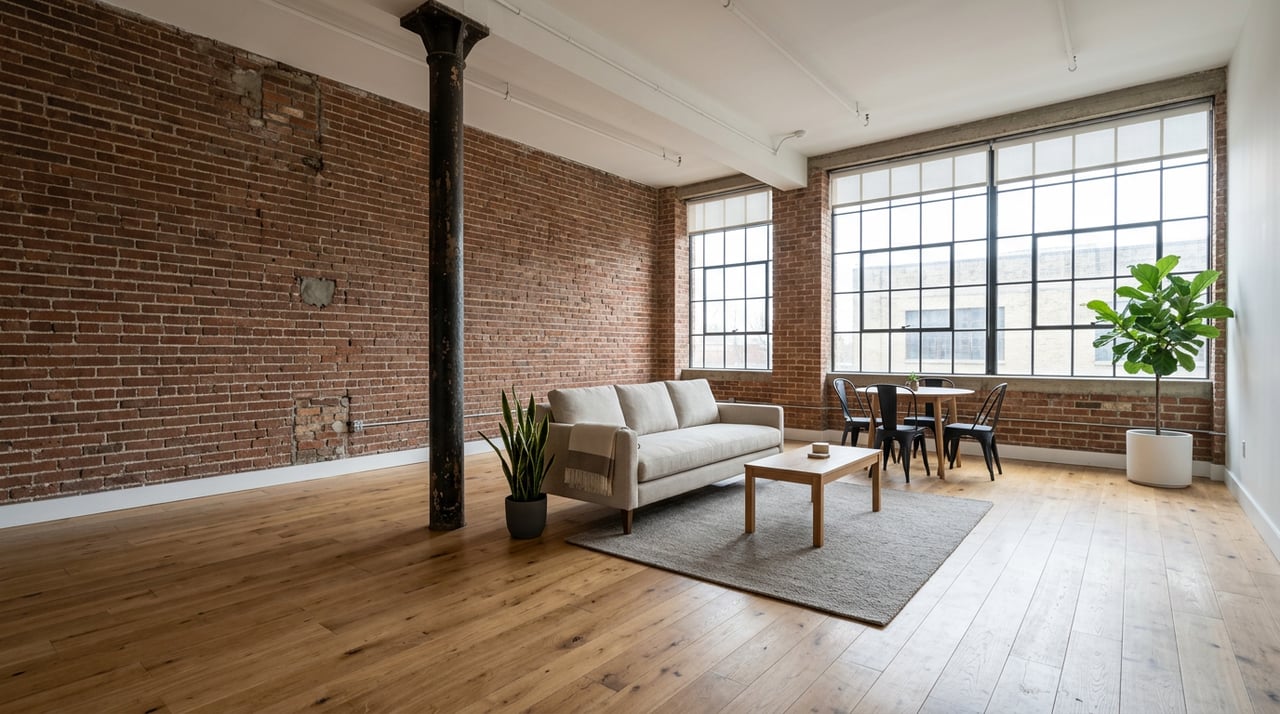
Original brick, timber, cast‑iron columns, tall ceilings, and large windows are value drivers in SoHo. Avoid covering or replacing these features unless there is a clear structural or safety reason. Consider cleaning and tuckpointing exposed brick rather than painting it. Emphasize these elements in your photos and showings. Neighborhood guides reinforce that these authentic features are core to SoHo’s appeal.
Prioritize high‑impact, low‑risk updates
You do not need a gut renovation to impress. Focus on updates that show beautifully and avoid long timelines.
- Declutter, deep clean, and remove heavy drapes to open sight lines. Industry research shows staging often reduces days on market and can lift offers. A recent NAR release reported notable time‑on‑market reductions and sale price gains for staged homes. Review the staging impact summary.
- Invest in professional photography and a 3D tour. Use wide shots that capture ceiling height, window walls, and overall volume. Include a floor plan to help buyers visualize zones.
- Upgrade lighting. Layered track or rail lighting, accents that graze brick or columns, and warm white LEDs help render finishes and height in photos. Interior lighting changes typically do not require LPC review unless they alter exterior appearance. Confirm with the LPC permit guide if you are unsure.
- Refresh surfaces. Neutral paint, cabinet front updates or new hardware, modern faucets and fixtures, and bathroom grout work can transform photos quickly. Cost vs Value data shows a minor kitchen remodel tends to recoup far more than a major overhaul. See the 2024 Cost vs Value benchmarks.
- Refinish floors. Wide‑plank or well‑refinished original hardwoods read larger and more luxurious than patchwork replacements. Refinishing is often more cost‑effective than a full replacement at resale time.
- Stage to the room’s scale. Choose lower‑profile, modern pieces that highlight vertical volume. Define living, dining, and a work‑from‑home niche without building permanent partitions. For ideas on zoned staging, see this NAR staging overview.
What to avoid
- Over‑renovating right before listing. Major kitchen projects and luxury add‑ons rarely return full cost and can delay market entry. Minor kitchen projects show a stronger recoup rate in the latest Cost vs Value report.
- Exterior changes on landmarked buildings without LPC review. Unpermitted visible work can delay closings or trigger enforcement. Start with the LPC permit guide to check your scope.
- Photos that crop out volume and light. Use wide angles and compositions that clearly show ceiling height, window spans, and open circulation.
Pricing realism, ROI, and timing
You can win on presentation without over‑spending. Here is how to think about payback and timing.
Staging and media payoffs
Staging tends to shorten time on market and can nudge sale prices higher. Survey results summarized by NAR indicate many agents see quicker sales and sale price uplifts, often in the 1 to 10 percent range for strong presentations compared with un‑staged peers. See the NAR staging recap. Pair staging with professional photography and a 3D tour to drive more showings.
Renovation ROI benchmarks
Use national Cost vs Value data as a guide, then tailor to your building and comps.
- Minor kitchen remodels (midrange) show strong recoup, around the mid‑90 percent range on national averages in 2024. Major upscale kitchen overhauls often recoup roughly half or less.
- Midrange bath updates and window replacements typically recoup less than a modest kitchen but can still improve marketability.
- Small entry and hardware improvements can punch above their weight.
Explore the 2024 Cost vs Value data to calibrate budget.
A realistic prep and sale timeline
- Quick clean and stage prep for occupied units: 1 to 2 weeks for decluttering, minor repairs, and pro photos and virtual tour. Staging before listing pays off. See NAR’s staging highlights.
- Cosmetic updates: 2 to 6 weeks for paint, lighting, cabinet fronts, and fixture swaps, depending on contractor schedules.
- Co‑op approval: plan for 4 to 8+ weeks from contract to board approval in many Manhattan co‑ops. Condos are often faster. See the co‑op timing overview on NYC co‑op sale considerations.
- Landmark permits: if any exterior work is planned in a landmarked building, add time for LPC review and approvals.
Seller checklist for a SoHo loft
Use this quick list to keep momentum.
- Confirm ownership type and status. Co‑op or condo, and any Loft Law or IMD status. Verify certificate of occupancy and check for open Loft Board or DOB items via the NYC Loft Board.
- Check if your building is in the SoHo‑Cast Iron Historic District. If yes, review the LPC permit guide before any visible exterior work.
- Declutter, deep clean, and depersonalize before photos. See NAR’s staging findings.
- Hire a pro photographer and add a 3D tour and floor plan. Showcase ceiling height, window spans, and open flow.
- Make targeted cosmetic updates. Prioritize a minor kitchen refresh and lighting improvements. Calibrate budget with Cost vs Value 2024.
- Stage to scale. Zone living, dining, and an office niche without walls. Reference this NAR staging overview for ideas.
- Pre‑qualify buyers for co‑op sales. Ask for proof of funds and lender pre‑approval early.
- Time your launch. Many sellers aim for peak seasonal visibility. Your agent will tailor timing to your building and comps.
- Prepare a buyer info packet. Include offering plan, building financials, certificate of occupancy, and any recent LPC permits. This builds trust and speeds diligence.
- Work with a loft‑savvy agent who understands LPC, Loft Law, and co‑op protocols.
Sample eight‑week prep timeline
- Weeks −6 to −4: Edit belongings, arrange storage, schedule painters and electricians. Order any cabinet fronts, hardware, and lighting.
- Weeks −4 to −2: Complete paint and lighting work. Refinish floors if needed. Start staging plan and gather loan documents for buyer screening.
- Week −1: Final staging. Professional photography, floor plan, and 3D tour. Write marketing copy that highlights original features and any relevant LPC or Loft Law context.
- On market: Expect a focused 2 to 3 week marketing push. If co‑op, set expectations about the board package and interview timeline in offer terms.
Ready to sell your SoHo loft?
You do not need a full renovation to capture top‑tier attention in SoHo. You need a clear plan, strong presentation, and early verification of building rules. If you want a tailored prep strategy and staging‑first marketing that showcases your loft’s light and character, connect with Crystal Burns for a consultation.
FAQs
What features matter most to SoHo loft buyers?
- Buyers prioritize light, volume, and authentic materials like exposed brick, timber, and cast‑iron elements, which align with SoHo’s historic character.
How does the SoHo‑Cast Iron Historic District affect my sale?
- If your building is landmarked, many exterior changes visible from the street require Landmarks approval. Review the LPC permit guide before making or advertising exterior updates.
How do I confirm my loft’s legal residential status?
- Verify the certificate of occupancy and check for Loft Law or IMD status and any open items with the NYC Loft Board and your attorney.
How long do co‑op sales usually take in SoHo?
- After contract, plan for a 4 to 8+ week co‑op board approval period before closing, while condos typically move faster; see this NYC co‑op overview for context.
Which pre‑sale updates have the best ROI in a loft?
- Minor kitchen refreshes, lighting upgrades, paint, and floor refinishing generally outperform major gut renovations for near‑term resale, per 2024 Cost vs Value.
Does staging really impact offers for high‑end lofts?
- Yes. Industry surveys summarized by NAR show staging often shortens time on market and can lift sale prices by modest but meaningful amounts; see the staging findings.