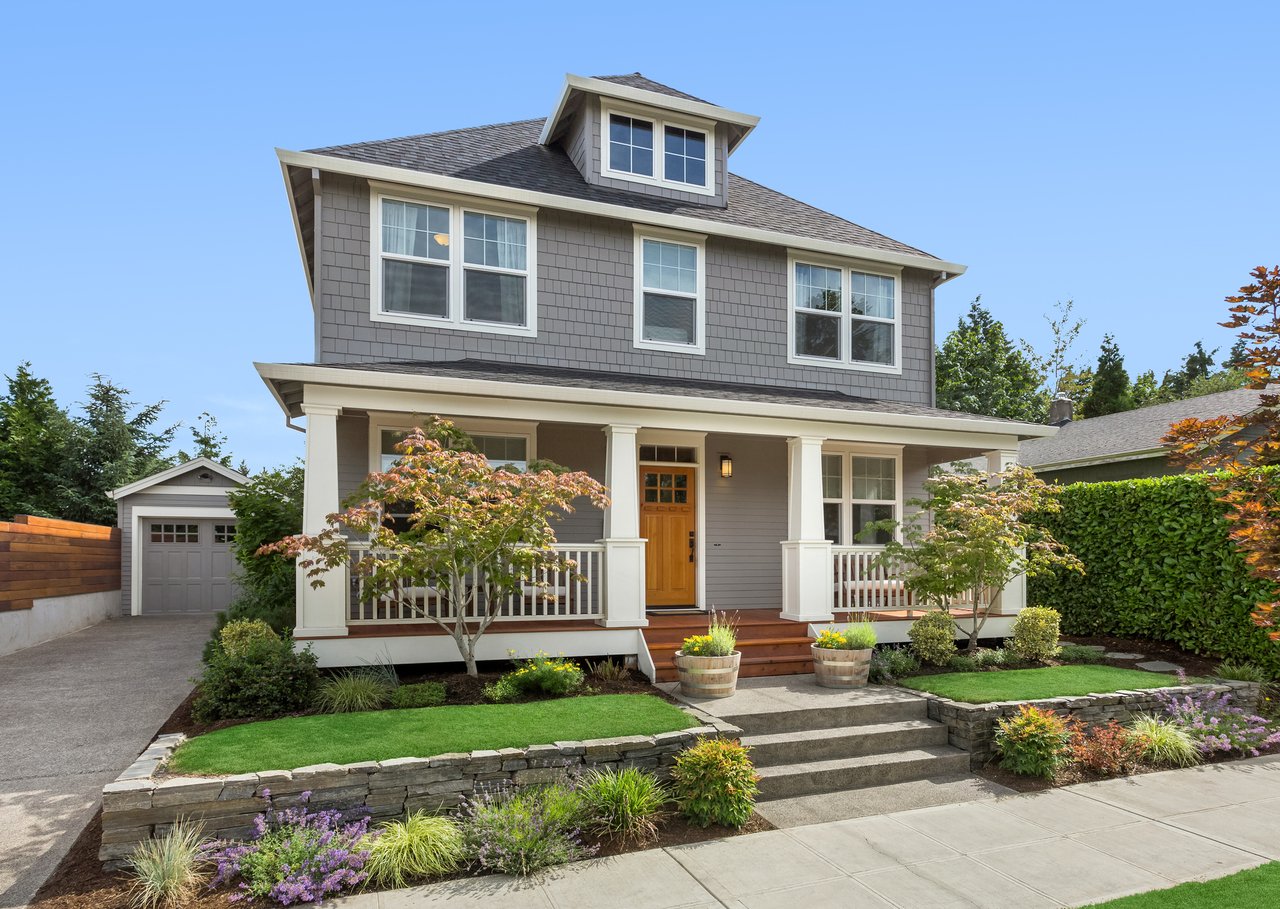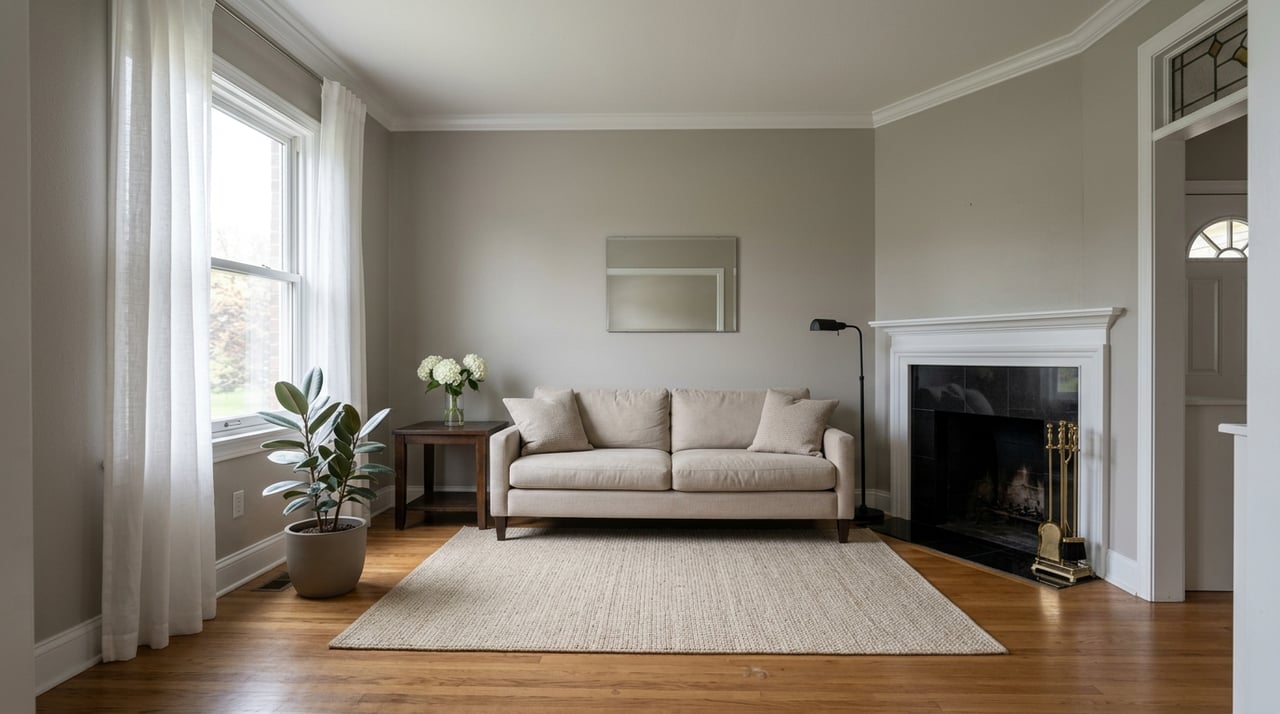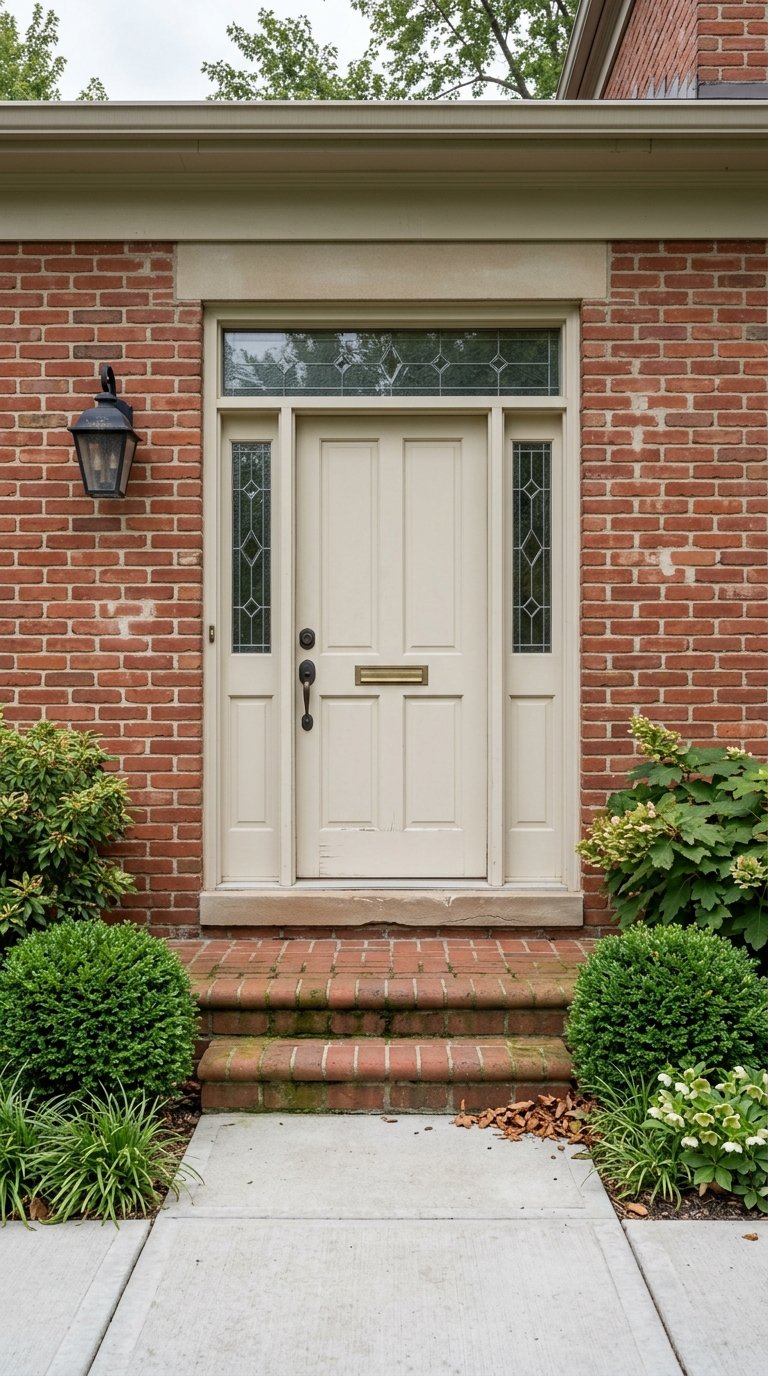
Wondering whether selling an older home in Teaneck will be harder than selling a newer property? In many cases, the opposite can be true when you prepare the home the right way. If you own a pre-war Tudor, a trim colonial, a ranch, or a split-level, you likely have features buyers notice right away. This guide will show you how to focus on repairs, disclosures, presentation, and local details that matter most in Teaneck. Let’s dive in.
Why Older Homes Matter in Teaneck
Teaneck is a mature housing market, not a new-build market. According to the township master plan, much of the housing stock is pre-war, and single-family detached homes remain a major part of the local landscape. The Census Bureau reports 14,060 housing units in Teaneck, a 77.5% owner-occupied rate, and a median owner-occupied value of $546,100.
For you as a seller, that means buyers are often comparing more than square footage alone. They are also looking at upkeep, layout, condition, and the character that older homes can offer. In a town like Teaneck, original details and visible care can help your home stand out.
Start With the Right Selling Strategy
When you sell an older home, your goal is not to make it look brand new. Your goal is to show buyers that the home has been cared for, that important systems are in good shape, and that any older features add value rather than concern.
That usually means putting your money into practical improvements first. In many older Teaneck homes, fixing a leak or confirming old permits will do more for your sale than a flashy remodel.
Focus on condition before cosmetics
New Jersey’s seller disclosure form asks direct questions about roof age, leaks, basement dampness, mold, foundation cracks, HVAC age, plumbing and sewage issues, water heaters, fireplaces, and flood history. Those are the same issues many buyers and inspectors pay close attention to.
If your home has active problems in any of these areas, address them before listing when possible. Buyers may forgive an older kitchen, but they are far less comfortable with water intrusion, unsafe stairs, or electrical concerns.
Repairs That Matter Most Before Listing
Older homes often come with deferred maintenance that builds up over time. If you want a smoother sale, start with the items most likely to trigger concern during showings, inspections, or financing.
Prioritize visible defects and system issues
Your first round of prep should focus on problems that feel urgent or obvious. These can affect buyer confidence the moment someone walks in.
Key items to address include:
- Active roof leaks
- Basement dampness or water intrusion
- Drainage problems around the home
- Visible foundation cracks or concerning basement defects
- Failing heating or cooling systems
- Plumbing leaks or sewage issues
- Loose steps, handrails, or other safety hazards
- Electrical issues that appear unsafe
- Exterior deterioration that suggests neglect
These fixes do not just help with appearance. They can also reduce the risk of inspection surprises and negotiation setbacks.
Verify permits and approvals
For older homes, paperwork matters more than many sellers expect. Teaneck’s Building Department handles construction code matters, issues permits, and provides certificates of occupancy or approval.
If you added a roof, changed part of the structure, finished space, or completed major repairs in the past, it is smart to confirm whether permits were required and whether final approvals were issued. For many buyers, confidence in completed work is more valuable than a cosmetic update completed without clear records.
Protect the Home’s Original Character
One of the biggest mistakes sellers make with older homes is removing the very details that make the property memorable. In Teaneck, older homes are part of the township’s identity, and attractive original features can be a real strength.
If your home still has wood trim, built-ins, original stair details, plaster features, or other well-kept architectural elements, those may be worth preserving and highlighting. Buyers often respond well to character when it feels clean, functional, and well maintained.
Check historic designation before exterior changes
Teaneck’s Historic Preservation Commission notes that historic landmarks are central to the township’s character. If your property is formally designated, exterior changes may need review by the commission, while interior changes do not.
That means you should be careful before replacing windows, doors, siding, porches, or trim. If your home may be designated, confirm what is allowed before starting exterior work so you do not create delays or extra cost right before listing.
Handle Disclosures Carefully
Selling an older home means disclosures are especially important. The goal is not to alarm buyers. It is to give accurate information early, reduce uncertainty, and keep the transaction moving.
Lead-based paint matters in older homes
If your home was built before 1978, federal law requires disclosure of known lead-based paint and lead hazards before the sale. Buyers must also receive the EPA and HUD pamphlet, and they get a 10-day window for an inspection or risk assessment.
Because Teaneck has an older housing stock, this is a common issue rather than an unusual one. If any lead evaluation or abatement work is needed, New Jersey says that work must be performed by certified entities.
Flood history now requires clear disclosure
New Jersey’s flood disclosure law took effect for real estate sales on March 20, 2024. Sellers must disclose certain flood-risk information through the property condition disclosure statement before the buyer becomes obligated under contract.
The updated form asks about FEMA flood zones, flood insurance, elevation certificates, federal flood assistance, prior flood claims, and any flood damage, seepage, or pooled water. It also notes that standard homeowners insurance typically does not cover flood damage, so accuracy here is essential.
Smoke and carbon-monoxide safety count too
Working smoke and carbon-monoxide alarms should be part of your pre-list checklist. New Jersey fire-safety guidance continues to stress testing and maintaining these alarms, and Teaneck’s Fire Prevention Bureau handles enforcement and fire-hazard inspections.
In an older home, buyers notice whether safety basics appear current and well maintained. Simple steps like testing alarms and cleaning up mechanical areas can help reinforce that the home has been responsibly cared for.
Gather Documents Before You Go Live
A well-prepared seller can answer buyer questions faster and with less stress. Older homes often come with a longer history, so organized records can make a real difference.
Try to gather:
- Property deed and ownership records
- Permits for renovations or repairs
- Final inspection records or certificates of approval
- Service receipts and maintenance records
- Warranties
- Prior inspection reports
- Lead disclosure documents
- Flood-related documents
- Any available certificate of occupancy or approval records from the township
You do not need every document ever created for the home. But the more clearly you can show what was done, when it was done, and whether it was properly completed, the easier it is for buyers to feel comfortable.
Stage an Older Teaneck Home the Smart Way
Older homes usually show best when they feel bright, clean, and balanced, not over-renovated or stripped of personality. Good staging helps buyers imagine themselves in the space while still appreciating what makes the home different.
NAR’s 2025 staging research found that 83% of buyers’ agents said staging makes it easier for buyers to picture a property as a future home. The same research found that 29% said staging led to a 1% to 10% increase in offered value, and 49% said staging reduced time on market.
Highlight the rooms buyers notice first
NAR’s staging guidance points to the living room, primary bedroom, dining room, and kitchen as the rooms buyers care about most. Those spaces should get the strongest attention before photos and showings.
For an older Teaneck home, that often means:
- Removing extra furniture to improve flow
- Brightening rooms with clean lighting and open window treatments
- Using simple, neutral decor
- Deep cleaning trim, floors, and built-ins
- Making kitchens and baths feel tidy and functional
- Showing original features clearly if they are attractive and in good condition
Let character support the sale
If your home has original woodwork, a classic staircase, built-ins, or other period details, do not hide them. When these features are well kept, they can help create a stronger emotional connection for buyers.
The key is balance. You want the home to feel cared for and easy to live in, while still letting its personality come through.
Avoid Over-Improving Before You Sell
It is easy to assume you need a major remodel to compete. In many older Teaneck homes, that is not the most effective move.
Based on the local preservation context, disclosure risks, and staging research, visible care and smart presentation often matter more than an expensive cosmetic overhaul. Refreshing paint, improving lighting, decluttering, cleaning, and landscaping may give you a better return than replacing quality original features or starting a large renovation right before the market.
When Expert Help Makes Sense
The New Jersey disclosure form makes clear that it is not a warranty and encourages buyers to hire qualified experts. That is one more reason sellers benefit from getting the right professionals involved early when questions come up.
You may want expert guidance if you have:
- Structural movement or foundation concerns
- Water intrusion or basement moisture issues
- Electrical or plumbing uncertainty
- Lead-related concerns
- Flood history questions
- Possible historic-preservation review issues
Bringing in the right licensed professionals can help you make decisions with better information and avoid surprises during escrow.
Selling an Older Home in Teaneck With Confidence
Selling an older home in Teaneck is often about positioning, not perfection. Buyers in this market already understand that many homes have history, character, and older construction. What they want to see is evidence of care, clear documentation, honest disclosures, and thoughtful presentation.
When you combine those basics with smart pricing and strong marketing, an older home can compete very well. If you want expert guidance on how to prepare, position, and market your Teaneck property, connect with Crystal Burns to schedule a consultation or request a free home valuation.
FAQs
What should you fix before selling an older home in Teaneck?
- Focus first on leaks, dampness, drainage issues, roof concerns, visible foundation or basement defects, failing mechanical systems, and safety hazards that could worry buyers or come up in inspection.
Do you need permits for past work before selling a home in Teaneck?
- You should confirm whether prior work had required permits, final inspections, and any available certificates of approval, especially for additions, alterations, roofs, or major repairs.
Do older homes in Teaneck need lead-based paint disclosure?
- If the home was built before 1978, sellers must disclose known lead-based paint and lead hazards and provide the required pamphlet and inspection opportunity.
What flood information must sellers disclose in New Jersey?
- Sellers must disclose specified flood-risk information through the property condition disclosure statement, including items such as flood zone status, flood insurance, prior claims, and past flood damage or seepage.
Should you renovate or stage an older Teaneck home before listing?
- In many cases, smart staging, cleaning, lighting, paint refreshes, and preserving attractive original details are more effective than doing a major cosmetic remodel right before listing.
What original features help older homes sell in Teaneck?
- Well-maintained details like wood trim, built-ins, staircases, plaster features, and other intact architectural elements can help your home stand out when they are clean, functional, and visually appealing.