Trying to choose between a sleek new Tribeca condo and a classic loft with cast-iron bones? In this neighborhood, that decision is rarely about which option is “better.” It is usually about how you want to live, what kind of monthly costs you can comfortably carry, and how much flexibility you want if you plan to update the space. If you are weighing Tribeca new developments vs historic loft living, this guide will help you compare the trade-offs with more clarity. Let’s dive in.
Why this choice stands out in Tribeca
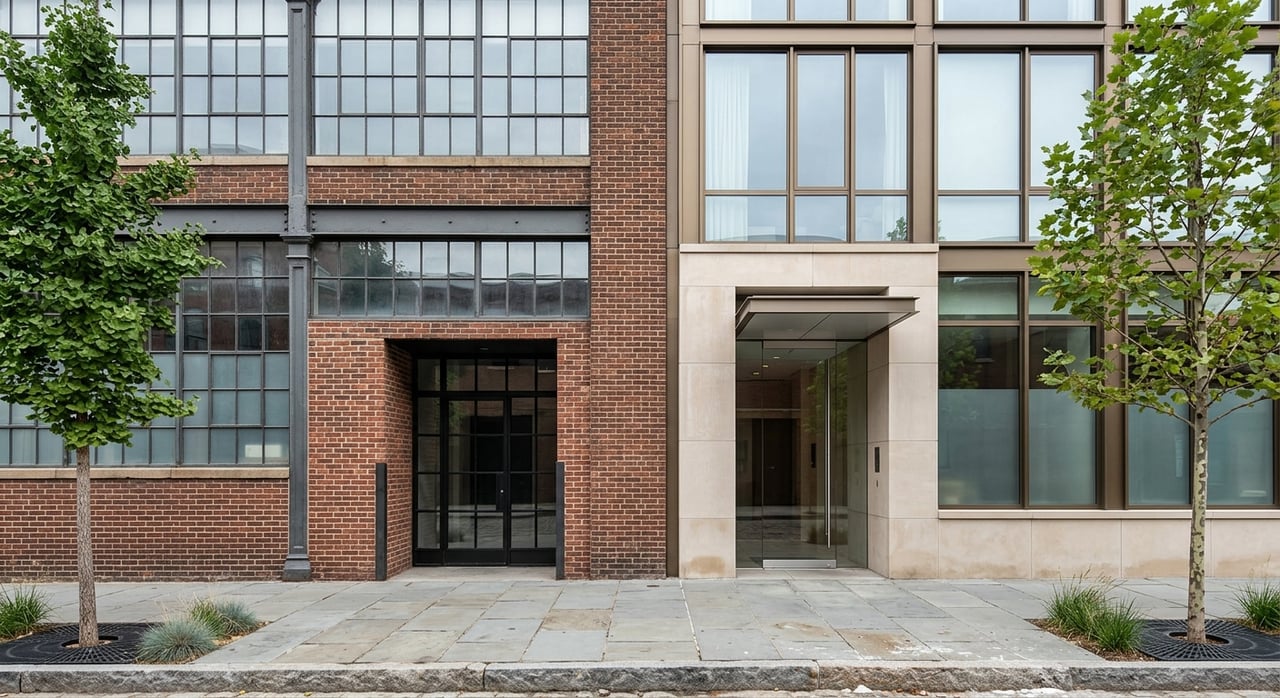
Tribeca is one of the few downtown Manhattan neighborhoods where historic loft buildings and newer luxury towers sit side by side. StreetEasy describes the area as a blend of old cast-iron lofts and dramatic new buildings, while New York City Landmarks Preservation Commission maps show much of Tribeca within the West, North, East, and South historic districts.
That mix matters because the housing stock creates two very different ownership experiences. In simple terms, you are often choosing between architectural character and volume on one side, or a more service-heavy, amenity-rich lifestyle on the other.
It is also a high-price market either way. Recent reports placed Tribeca’s median sale price between roughly $3.675 million and $4.15 million, depending on the source and time period, so this comparison is less about bargain shopping and more about fit, convenience, and long-term comfort.
What historic Tribeca lofts offer
Historic Tribeca lofts usually come from former industrial or commercial buildings that were later converted for residential use. That history is part of the appeal. You may find oversized windows, higher ceilings, broader open layouts, and details that feel tied to the neighborhood’s industrial past.
For many buyers, the biggest draw is space that feels flexible rather than tightly programmed. A current example at 110 Duane Street shows nearly 1,949 square feet in a boutique 1915 building, with oversized arched windows and classic loft character. It also shows something else that matters: not every loft building comes with an extensive amenity package.
That does not mean historic buildings are always limited in services. A current listing at 49 Chambers Street, in a 1910 building, includes features like a doorman, elevator, gym, pool, playroom, media room, roof deck, and storage. That is a good reminder that in Tribeca, the real comparison is often not simply old versus new. It can also be boutique versus full-service.
The biggest strengths of loft living
Historic loft buyers are often drawn to a few standout qualities:
- Open, airy floor plans
- Distinct architectural character
- Smaller-building privacy in some properties
- A stronger sense of Tribeca’s original built environment
- Scarcer inventory that can feel harder to replicate
If you value authenticity and space that can adapt to your lifestyle, a loft may feel more personal than a newer condo with a more standardized layout.
What to check before buying a loft
With older conversions, the building story matters. The New York City Loft Board notes that certain commercial or manufacturing spaces converted to residential use are governed by the Loft Law, and the Department of Buildings states that these conversions must comply with zoning, building, fire, accessibility, and Multiple Dwelling Law rules.
For you as a buyer, that means due diligence is important. You want to understand the legal status of the unit, the building’s conversion history, and whether any future work may involve additional approvals.
What Tribeca new developments offer
New developments in Tribeca tend to deliver the most obvious lifestyle perks. These buildings often focus on convenience, staffing, shared spaces, and a polished move-in experience that asks less of you on day one.
A current example at 111 Murray Street, a 2018-built condo tower, shows just how far that can go. The building includes concierge, doorman, elevator, live-in super, package room, garage parking, storage, gym, pool, media room, playroom, courtyard, garden, patio, and roof deck. That is a very different daily experience from a smaller loft building with few shared services.
This is one reason new development appeals to busy buyers, part-time city owners, and people who want a more predictable ownership experience. Newer systems and modern common areas can simplify the move-in process, even if the monthly costs are higher.
The biggest strengths of new development
Newer Tribeca condos often stand out for:
- Full-service staffing
- Amenity-rich buildings
- More structured and efficient layouts
- Newer building systems
- A more turnkey ownership experience
If your priority is convenience and ease, a new development may check more boxes right away.
Comparing monthly costs and carrying structure
One of the clearest differences between Tribeca new developments and historic loft living is how monthly costs can stack up. While there are exceptions in every category, amenity-heavy buildings often come with higher common charges.
The examples in the market snapshot make that contrast easy to see. The loft at 110 Duane Street shows monthly common charges of $1,158. The historic but more service-rich building at 49 Chambers shows $2,290. The newer full-service tower at 111 Murray shows $5,882.
Those figures are only examples, not a rule for every building. Still, they help frame an important point: when you buy into a highly serviced new development, you are often paying not just for the apartment, but for the building lifestyle that comes with it.
Renovation and approval differences
If you are the kind of buyer who likes to customize a home, this is a major part of the decision. In Tribeca, many buildings sit within historic districts, and that can affect what you can change on the outside of the property.
The Landmarks Preservation Commission states that it must approve most exterior alterations, reconstructions, demolitions, and new construction affecting designated buildings. It also notes that ordinary exterior repairs and most interior alterations usually do not require LPC review unless the work affects the exterior or requires a Department of Buildings permit.
That means a historic loft can offer great interior potential, but exterior changes may involve more process. LPC also requires owners to maintain landmarked properties in a state of good repair, so ownership can come with more procedural oversight than in a non-landmarked condo building.
Renovation mindset: old vs new
A simple way to think about it is this:
- Historic lofts may offer more charm and design opportunity, but often call for more investigation before and after closing.
- New developments may offer fewer immediate renovation questions, thanks to newer systems and a more turnkey condition.
This is not a hard rule, but it is a practical framework when you are deciding how much time, patience, and project management you want to take on.
Layout and lifestyle feel
The layout question is often emotional as much as practical. Historic lofts tend to prioritize openness, scale, and flexibility. New developments tend to divide space more efficiently, which can work well if you want clearly defined rooms and a more conventional flow.
If you love dramatic windows, long sight lines, and rooms that can serve more than one purpose, loft living may feel exciting. If you prefer a more polished floor plan with dedicated amenity spaces outside your apartment, a newer condo may feel easier to live in from day one.
In other words, this is not just about square footage. It is about how your home supports your routines, guests, work life, storage needs, and tolerance for trade-offs.
Why Tribeca’s landmark setting matters
Tribeca’s landmark framework is part of what keeps the neighborhood distinctive. The Landmarks Preservation Commission says the Landmarks Law is tied to stabilizing and improving property values, and much of Tribeca’s protected building fabric helps preserve the look and feel that buyers are paying for.
That matters for long-term perspective. Authentic loft inventory is limited by nature, and that scarcity is part of why these homes continue to hold strong appeal in a neighborhood that already trades at the top end of Manhattan pricing.
At the same time, newer condos remain premium product. Manhattan’s new development market reported a Q1 2025 median price of $2.75 million, with more than 4,000 units of inventory and 245 units launched that quarter, which helps explain why Tribeca’s newer towers are positioned as luxury choices rather than lower-cost alternatives.
How to decide what fits you best
If you are choosing between a new development and a historic loft in Tribeca, start with your daily life rather than the marketing language. The right answer usually comes down to how you want to spend your time, what kind of monthly structure makes sense for you, and whether you want character, convenience, or a mix of both.
A historic loft may be the better fit if you want volume, architectural identity, and a home that feels deeply tied to Tribeca’s past. A new development may be the better fit if you want staffing, amenities, newer systems, and a more streamlined move.
The smart move is to compare each property on its own terms. In Tribeca, there are historic buildings with strong amenity packages and newer buildings with very high carrying costs, so the best decision is usually not about age alone. It is about matching the property to your goals with clear eyes.
If you want experienced guidance as you compare Tribeca lofts and newer condos, Crystal Burns can help you evaluate the details that matter most and move forward with confidence.
FAQs
What is the main difference between Tribeca new developments and historic lofts?
- New developments usually offer more staffing, amenities, and turnkey convenience, while historic lofts often offer more character, open volume, and a stronger connection to Tribeca’s industrial architecture.
Are historic Tribeca lofts usually larger than new condos?
- Often, yes. Historic lofts commonly prioritize open space and flexibility, though actual size and layout still vary by building and unit.
Can a historic Tribeca building still have luxury amenities?
- Yes. Current examples like 49 Chambers show that a prewar Tribeca building can still include features such as a doorman, gym, pool, roof deck, and storage.
Do new developments in Tribeca usually have higher common charges?
- They often can, especially when the building includes extensive staffing and amenities. Current examples show a meaningful spread in common charges between boutique loft buildings, service-rich historic buildings, and newer luxury towers.
Is it harder to renovate a historic Tribeca loft?
- It can be, especially when exterior work is involved. In designated historic districts, many exterior changes require approval from the Landmarks Preservation Commission.
Does landmark status affect Tribeca property values?
- The Landmarks Preservation Commission states that landmark designation is intended to help stabilize and improve property values, which is part of why Tribeca’s protected built environment matters to many buyers.