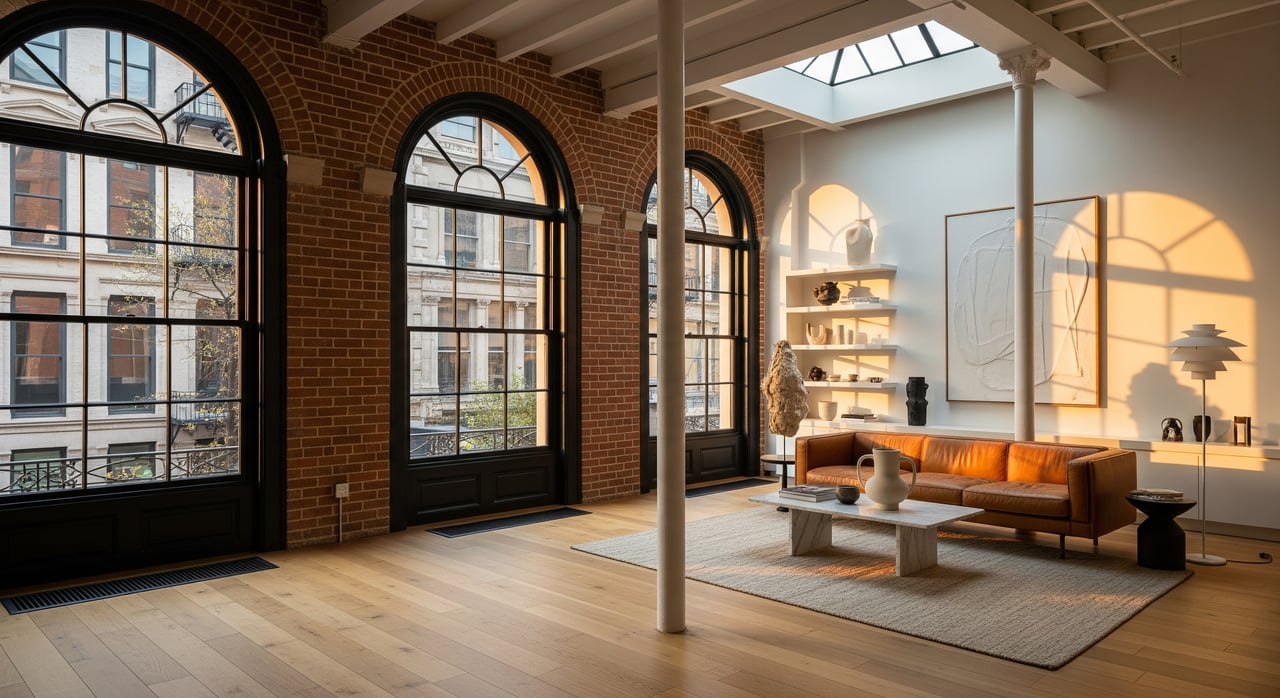
You can spot a true SoHo loft from half a block away, but knowing exactly what defines one will help you buy with confidence. Maybe you love those dramatic windows and open layouts, or you want the history and rarity that make these homes special. In this guide, you’ll learn the architectural hallmarks, landmark and legal basics, building systems, and the value drivers that shape pricing and scarcity in SoHo. Let’s dive in.
Architectural hallmarks of a SoHo loft
Cast-iron facades
Cast iron is the signature SoHo look. In the mid to late 1800s, builders used prefabricated cast-iron components to create richly detailed building fronts at lower cost and faster speed. You’ll see slender vertical piers, ornate columns and capitals, and a continuous cornice running across the roofline. These facades are usually a decorative skin attached to a structural frame behind them, not the load-bearing structure.
Many blocks in SoHo are landmarked, so these facades are carefully maintained. Restoration often involves specialized metal repairs, corrosion treatment, historically accurate paint systems, and custom recasting of missing pieces. If you love the patina and detail, you’re in the right place.
Oversized windows and daylight
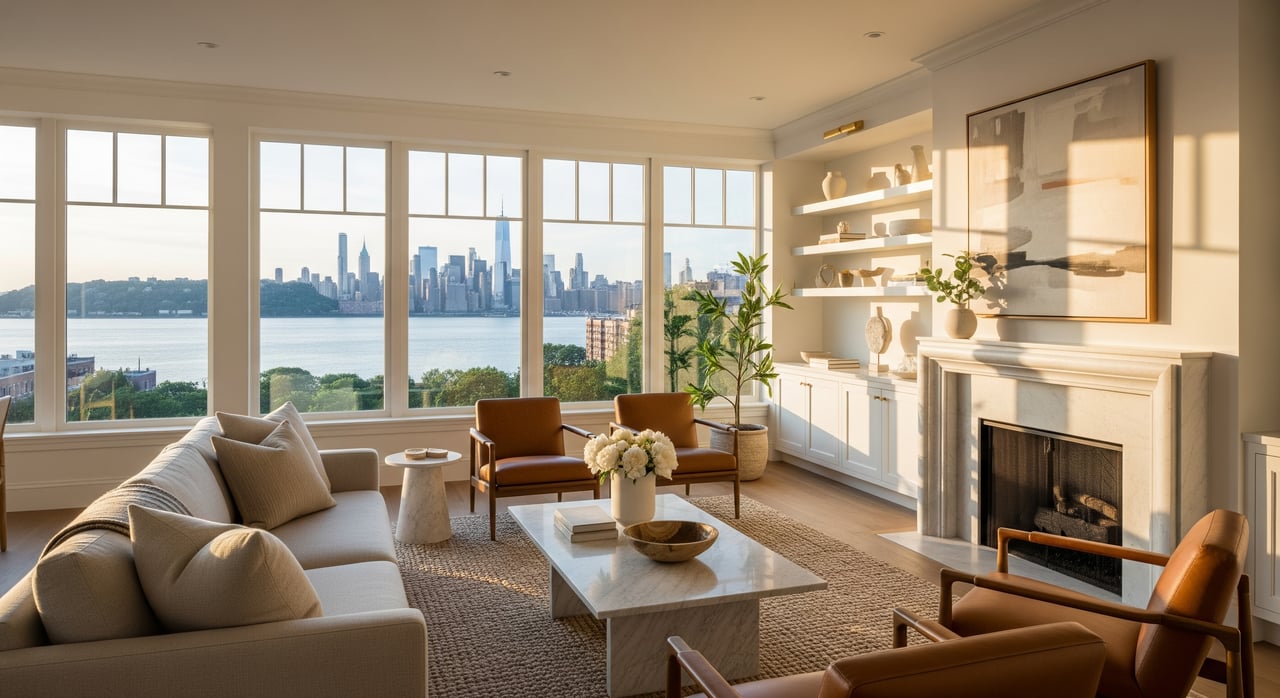
Classic lofts were designed for industry, which meant daylight mattered. Expect tall window bays that can span floor to ceiling, often with multiple panes. These windows flood interiors with natural light and create a strong connection to the street. Orientation and bay size can have a real impact on how a space feels, and they are a major driver of value.
Open floor plates and columns
The typical SoHo loft offers high ceilings and a flexible, open layout. Ceiling heights often range from about 10 to more than 16 feet, depending on the building and floor. Cast-iron or heavy timber columns carry the load and are spaced to allow wide, open bays. Many owners leave columns and beams exposed as part of the look.
Additional period elements
You’ll frequently find exposed brick, wide-plank wood floors, original freight doors, visible ducts or conduit, and sometimes mezzanines. These details, when preserved, add to authenticity and can be part of the story that buyers value.
Why landmark status matters
What landmarking covers
Much of SoHo falls within the SoHo–Cast Iron Historic District. Exterior work such as window replacement, paint colors, cornice repair, and storefront changes typically requires review and permits from the Landmarks Preservation Commission. This review protects the streetscape and architectural character that make SoHo famous.
Interior work is usually less constrained unless a space is individually designated, but any change visible from the street, like windows, can trigger review. Expect exterior changes to take longer and require specialized contractors who understand historic cast iron.
Planning and budget implications
Because exterior work is reviewed and specialized, it can be costlier and slower than a typical renovation. If you plan to upgrade windows, recoat the facade, or modify a storefront, build extra time into your schedule. Ask for recent facade reports and planned capital projects so you are not surprised by building-level restoration timelines.
Legal status and zoning basics
Residential legality and the Loft Law
Not every loft is legally a residence. Before you fall in love, confirm that the building has a Certificate of Occupancy showing residential use for your unit. Some buildings were legalized through New York’s Loft Law, which created a path for former commercial buildings to become residences. If a unit or building is covered by the Loft Law, there may be records with the NYC Loft Board.
Your goal is clarity. Verify the Certificate of Occupancy, check whether the building has Loft Law history, and ask for documentation of any legalization process. Legal status affects financing, insurance, and resale.
Zoning and building code
SoHo includes a mix of zoning districts and special purpose rules due to its manufacturing past and residential conversions. Zoning influences permitted uses, floor area ratios, and potential future development or air rights. Conversions often came with building code upgrades such as sprinklers, egress, and fire safety. Understanding these items helps you assess long-term value and feasibility for any changes you might want to make.
DOB records and permits
Before you sign a contract, search NYC Department of Buildings records for open violations, past permits, and any unpermitted work. Confirm that major work like structural changes, mechanical upgrades, or facade repairs were properly permitted. Clearing these questions now can prevent delays at closing and challenges when you plan future renovations.
Building services and systems
Ownership types and staffing
SoHo’s building mix is wide. You will see condominiums, cooperatives, rentals, and some single-owner stacks. Services vary from full-time doorman and concierge in high-end condo conversions to minimal staffing in smaller co-ops. Do not assume services are standard. Ask about super coverage, package handling, and building access.
Elevators and amenities
Many loft buildings started with freight elevators. Some have been upgraded to passenger or mixed use, and others maintained their original feel. Higher-end conversions may add central HVAC, in-unit laundry, roof decks, fitness rooms, or even parking, although parking is rare in SoHo. Confirm exactly what is included and whether amenities are shared or limited to certain units.
Mechanicals, sound, and insulation
Original industrial buildings did not have modern central HVAC. Conversions may use split systems, through-wall units, or central systems where space allowed. Older floor plates often required full replacement of plumbing risers and electrical service. If quiet is a priority, pay close attention to window construction, wall build-outs, and any soundproofing. Upgrades to windows or exterior elements may require landmark approval, so plan ahead.
Maintenance realities and risk
Facade and structural upkeep
Cast-iron facades are beautiful but need care. Regular inspection and maintenance address corrosion, failing anchors, and mortar deterioration. Many buildings plan multi-year repair campaigns to keep facades safe and compliant. For taller buildings with masonry elements, Local Law 11, also known as the Façade Inspection and Safety Program, may set inspection cycles and repair obligations. Ask for recent reports and timelines.
Special assessments and reserves
Historic facade work and roof restorations can be significant expenses. It is common for buildings to levy special assessments to fund major projects. Review the condo or co-op financials, board minutes, reserve studies, and capital plans to understand any current or upcoming assessments that could affect your carrying costs.
Insurance and flood considerations
Lower floors and basements in SoHo may face flood risk. Review FEMA flood maps, ask about the building’s flood history, and check the insurance coverage. Premiums for flood insurance or riders that address historic building elements can impact your total cost of ownership.
What drives value in SoHo lofts
Scarcity and neighborhood premium
There are only so many cast-iron buildings in a compact district, and landmark protections limit new supply. That scarcity supports a neighborhood premium compared to many other parts of Manhattan. Over time, this limited inventory has helped authentic lofts hold value, even as design trends change.
Authenticity and light
Buyers pay for authenticity. Original columns, exposed brick, documented history, and a landmarked facade can move the needle. Window size, daylight depth, and orientation are equally important. A south or west exposure with large bays can make a space feel extraordinary and influence pricing.
Volume and flexibility
Ceiling height, volume, and a flexible floor plate matter. The ability to configure living, dining, studio, and work spaces without many structural constraints is a core loft benefit. Clear spans and fewer columns often command a premium.
Legal status, services, and block character
Fully legalized residential use and straightforward condo ownership can be easier for financing, investment, and future resale. Building services like a doorman, upgraded elevators, and modern systems support higher values. Block character also plays a role. A quieter residential stretch may appeal to some buyers, while a lively retail block might be a plus for others. Visit at different times of day to get a true feel.
Buyer due-diligence checklist
- Confirm legal residential use
- Certificate of Occupancy for the unit and building
- Any Loft Law coverage or filings with the NYC Loft Board
- Review ownership structure and financials
- Condo or co-op offering plan, bylaws, and budget
- Board minutes and reserve studies
- Investigate building-level capital needs
- Recent facade reports and Local Law 11 history, if applicable
- Pending landmark-required work and any special assessments
- Check DOB and municipal records
- Open violations, permits, and any recorded illegal alterations
- Inspect structure and systems with experts
- Hire an inspector experienced with cast-iron and historic buildings
- Evaluate HVAC, plumbing, electrical, and potential lead paint issues
- Assess flood and insurance
- FEMA flood maps, building policy details, and recent claims
- Evaluate noise, ventilation, and light
- Tour during day and evening to gauge street noise and daylight
- Confirm renovation feasibility
- Determine whether planned window or facade changes will require landmark approval
Renovation planning tips
Start with what’s visible from the street
If you plan to modify windows, repaint the facade, or adjust any exterior elements, expect to go through a landmark review. Work with design and contracting teams who have experience with historic cast iron. Matching profiles and materials is often required.
Sequence systems early
Historic lofts can hide surprises. Plan the mechanicals first, including HVAC, electrical, and plumbing routing. In older buildings, risers and service lines may have unique constraints, especially if you want to add bathrooms or a laundry.
Think about acoustics and comfort
Assess glazing, wall build-outs, and floor assemblies. Sound and thermal insulation upgrades can improve quality of life, but you may need to balance performance with preservation rules for windows and exterior details.
How to compare two SoHo lofts
- Authenticity and fabric
- Original columns, brick, historic doors, and intact facade details
- Daylight and volume
- Window bay dimensions, ceiling height, orientation, and depth of light
- Legal clarity and building health
- Certificate of Occupancy, Loft Law history, facade reports, and reserves
- Services and systems
- Elevator type, staffing, HVAC approach, and in-unit laundry options
- Block context
- Street activity, retail presence, and day-to-night character
Final thoughts and next steps
A classic SoHo cast-iron loft blends history, volume, and light in a way few homes can match. When you understand the architectural cues, the landmark rules, and the maintenance realities, you can focus on the qualities that truly drive value. With clear due diligence and the right guidance, you can secure a loft that fits your lifestyle today and supports your goals for tomorrow.
If you’re exploring SoHo lofts and want an experienced advocate who understands both the architecture and the process, reach out to Crystal Burns for buyer representation and a step-by-step plan.
FAQs
What makes a SoHo loft “cast-iron”?
- The facade uses prefabricated cast-iron elements like columns, piers, and cornices attached to a masonry or frame structure, creating the district’s distinctive look.
How do landmark rules affect renovations in SoHo?
- Exterior changes such as window replacements, paint colors, or storefront updates typically require Landmarks Preservation Commission review and permits, which can add time and cost.
How do I confirm a SoHo loft is legal to live in?
- Check the building’s Certificate of Occupancy for residential use and search for any Loft Law history with the NYC Loft Board; ask the seller for legalization documents.
Do cast-iron facades support the building?
- They are usually decorative and non-load-bearing, while interior columns and beams carry the structural loads; consult building plans and an engineer before major changes.
Are SoHo lofts a good investment?
- They tend to hold value due to limited supply and strong demand, but factors like building condition, upcoming assessments, and market cycles should guide your evaluation.