Ever walked into a loft and instantly felt the difference? In Tribeca, that feeling usually comes from a mix of historic building bones, big windows, and an everyday routine shaped by downtown streets and the waterfront. If you are wondering what Tribeca loft living really feels like beyond the photos, this guide will help you look at space, light, noise, building details, and daily life with clearer eyes. Let’s dive in.
What makes a Tribeca loft distinct
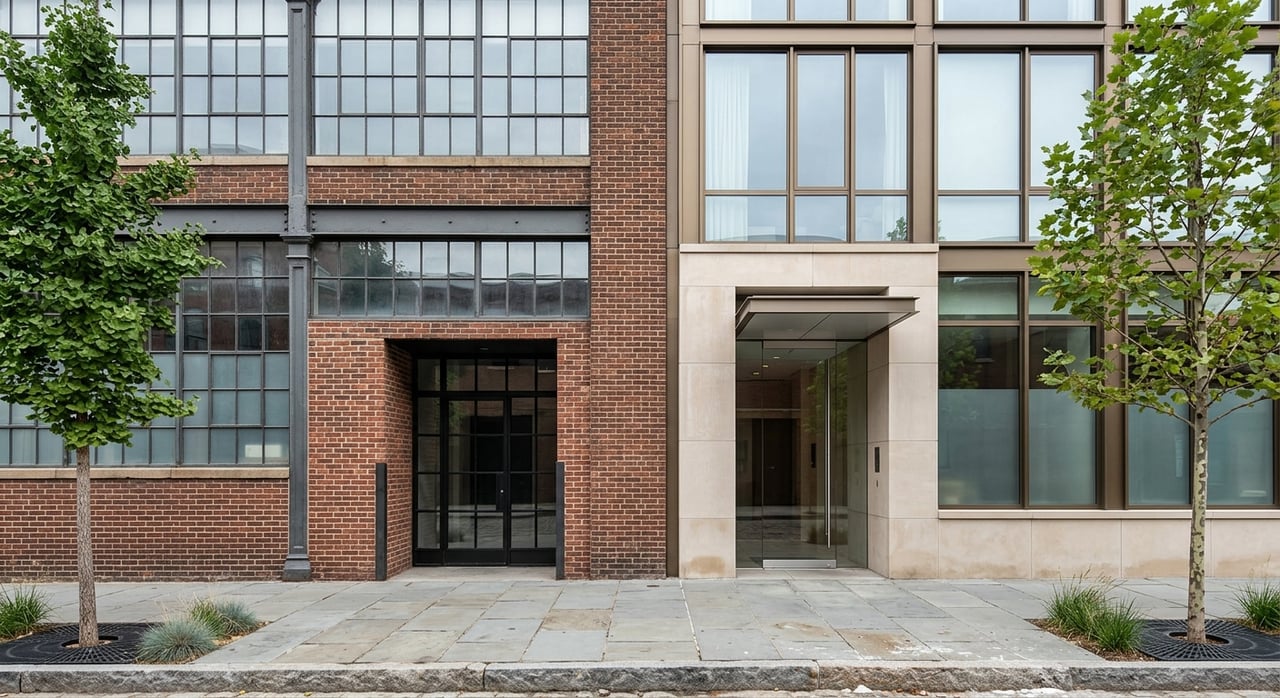
Tribeca’s loft identity is closely tied to its history. Much of the neighborhood’s signature housing stock comes from mid-19th-century store-and-loft buildings that were originally built for commercial use and later adapted for residential living. Many of these buildings feature cast-iron storefronts, brick or stone facades, and evenly spaced windows.
That history still shapes the experience you get today. Some properties are in former commercial loft buildings, while others are converted luxury apartments or condominiums. Because of that, no two Tribeca lofts feel exactly the same, even when listings use similar language.
Tribeca is also heavily landmarked, which matters more than many buyers expect. If a building is in a landmarked district or is individually designated, exterior changes may be subject to review by the Landmarks Preservation Commission. For you as a buyer, that means it is smart to ask early about landmark status and what that could mean for future window or facade work.
Why space feels different in a loft
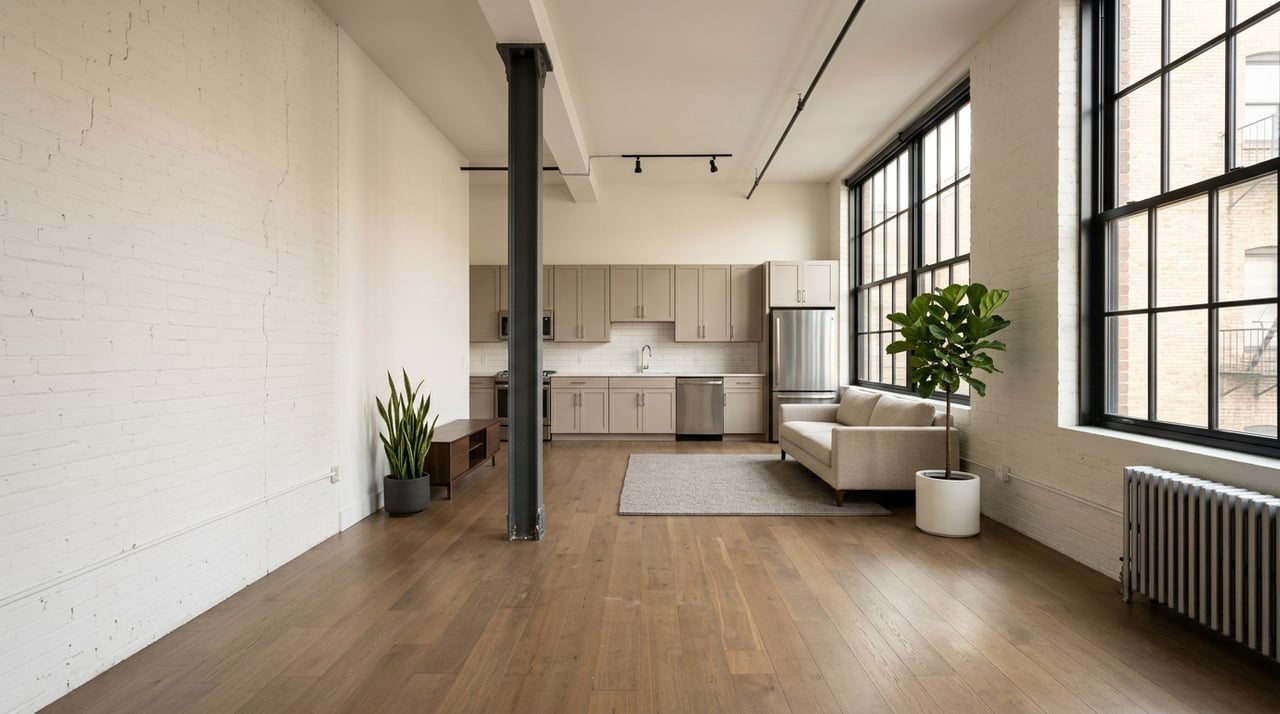
The classic loft feel is not just about square footage. These buildings were designed with broad facade openings and large upper-floor window bays, which helps create the open volume and airy layout many buyers associate with Tribeca. That sense of scale can make a home feel larger and more flexible in everyday use.
Still, loft space works differently from a more traditional apartment. Open layouts can offer room for living, dining, and working in one connected area, but they may provide fewer naturally separated rooms. If you need multiple enclosed spaces for privacy or routine, that is worth thinking through during your search.
A good rule is to look beyond the headline number. The way space is divided, the placement of windows, and the amount of usable wall area often matter just as much as total square footage. In lofts especially, layout can shape daily comfort more than size alone.
How light changes from unit to unit
Natural light is one of the biggest reasons buyers are drawn to Tribeca lofts. Large windows are common in this building type, and they can make the main living area feel bright and dramatic. But light levels still vary a lot depending on the floor, orientation, and what sits outside the windows.
A higher-floor unit with fewer obstructions may feel much brighter than a lower-floor unit facing a narrow air shaft or a close neighboring wall. Street-facing homes may get a different quality of light than rear-facing homes. Even in the same building, that can create a very different mood.
When you tour, ask practical questions instead of relying on listing photos. Find out how much of the apartment has direct exterior windows, whether bedrooms have legal windows, and whether any rooms depend on borrowed light from the main living area. Those details affect both comfort and function.
Questions to ask about light
- What direction does the unit face?
- Are the main rooms facing the street, rear yard, or light court?
- Which rooms have direct exterior windows?
- Do any sleeping areas rely on borrowed light?
- How does the apartment look at different times of day?
Sound and privacy in open-plan living
Loft living can feel expansive, but open space also changes how sound moves through a home. Without as many enclosed rooms, everyday noise can travel more easily from one area to another. That matters if you work from home, keep different schedules, or simply want more separation between spaces.
City sound matters too. New York City identifies noise as a quality-of-life issue, and NYC Health notes that about 20% of New Yorkers say they are frequently disturbed by noise at home. Common sources can include traffic, ventilation equipment, bars and restaurants, construction, dogs, garbage trucks, and other street activity.
In Tribeca, the quieter unit is often the one with the better exposure, not necessarily the one in the most talked-about location. A rear-facing or courtyard-facing loft may feel very different from a unit on a busy corridor or near active retail. The best way to judge that is to visit more than once and listen carefully.
What to check during a loft tour
- Visit at more than one time of day
- Open and close the windows
- Listen for street noise, HVAC, and elevator sounds
- Ask about window glazing and insulation
- Check for nearby construction or active retail uses
Building services are not one-size-fits-all
One common mistake is assuming all Tribeca lofts offer the same level of service. The neighborhood includes a mix of historic commercial loft buildings, mixed-use properties, and converted residential buildings. That means services can range from smaller walk-ups to elevator buildings with more complete residential amenities.
If building support matters to you, ask specific questions. Doorman coverage, package handling, elevator access, and other day-to-day conveniences may vary widely from property to property. In Tribeca, architectural character does not always tell you what the building experience will be.
This is where a detailed comparison can help. A beautiful loft may check the style box, but you still want the building to match your routine. The right fit depends on how you plan to live in the space, not just how it looks on showing day.
Renovation and conversion details matter
Tribeca lofts often come with extra layers of due diligence. Because some buildings were converted from commercial or manufacturing use, it is important to confirm the building’s legal residential status. The NYC Loft Board exists to regulate the conversion of certain commercial and manufacturing buildings to lawful residential use, which makes this an especially important question in loft searches.
Before you move forward, ask about the certificate of occupancy and whether there are any outstanding alteration issues. These questions can help you understand what has already been approved and what could affect future plans. They are especially important if you hope to reconfigure the apartment or update major systems later on.
Landmark status can also affect exterior work. Interior changes may be more flexible, but exterior alterations such as window replacement can require review on designated buildings. That does not mean a purchase is less appealing, but it does mean renovation timelines and approvals may need extra attention.
Smart due diligence questions
- Is the building a legal residential conversion?
- What does the certificate of occupancy allow?
- Are there any unresolved alteration issues?
- Is the building landmarked or in a historic district?
- Could future exterior upgrades require LPC review?
Daily life in Tribeca
Loft living is not only about the apartment itself. In Tribeca, daily life is also shaped by walkability, waterfront access, and easy transit connections. For many residents, that mix is part of the appeal.
Hudson River Park plays a big role in the neighborhood routine. The Tribeca section runs from Chambers Street to Canal Street and includes Pier 25, Pier 26, a native boardwalk, dog run, basketball and tennis courts, a playground, mini golf, sailing, kayaking, and river views. For you, that can translate into practical outdoor options for mornings, weekends, and after-work time.
Food shopping can also be part of a simple walking routine. The Tribeca Greenmarket operates year-round on Saturdays on Greenwich Street between Chambers and Duane Streets, with local produce and other foods. Since it has served the neighborhood since 1981, it remains a practical weekly stop for many residents.
Transit is another major advantage, though convenience depends on your exact address. Nearby stations include Franklin Street on the 1, Chambers Street on the A/C and J/Z, City Hall and Cortlandt Street on the R/W, World Trade Center on the E, and WTC Cortlandt on the 1. Accessibility varies by station, so buyers should think about the specific route they would use most often.
Who tends to like Tribeca loft living most
Tribeca loft living often works best for buyers who want character, volume, and a downtown routine built around walking, transit, restaurants, and the waterfront. If you love homes with architectural personality and flexible open space, a loft can feel exciting and highly livable. That is especially true when the layout matches the way you actually spend your time at home.
It may be less ideal if you want many enclosed rooms, very quiet interiors, or a more low-maintenance suburban feel. Open plans can ask for compromises around privacy and sound. Historic buildings can also bring extra questions around services, renovation, and approvals.
The key is knowing what matters most to you before you fall for the look. In Tribeca, the best loft is not just the one with the most dramatic photos. It is the one that supports your daily life, from morning light to evening noise to the building details behind the scenes.
If you are comparing Tribeca lofts and want experienced guidance on how a space will live day to day, Crystal Burns can help you evaluate the details that matter and make your search more strategic.
FAQs
What defines a Tribeca loft apartment?
- A Tribeca loft apartment is often located in a former commercial store-and-loft building from the mid-19th century that was later adapted for residential use, though the neighborhood also includes converted condos and luxury apartments.
How can you tell if a Tribeca loft gets good natural light?
- You should look at the unit’s floor level, orientation, and what sits outside the windows, then ask which rooms have direct exterior windows and whether any spaces rely on borrowed light.
Why does noise vary so much in Tribeca lofts?
- Noise levels often depend on the unit’s exposure, nearby traffic, retail activity, building systems, and construction rather than the Tribeca name alone, so visiting at different times of day is important.
What should you ask before buying a Tribeca loft in a historic building?
- You should ask whether the building is landmarked, whether exterior changes may require LPC review, and whether the certificate of occupancy and any past alterations are fully in order.
What is everyday life like around Tribeca lofts?
- Daily life often includes walkable errands, access to Hudson River Park, the Saturday Tribeca Greenmarket, and multiple nearby subway options, with convenience depending on the exact building location.
Who is a good fit for Tribeca loft living?
- Buyers who value open space, architectural character, natural light, and an urban routine centered on walking and transit often find Tribeca loft living appealing.