If you want a Queens neighborhood that feels calmer, greener, and more residential without losing access to the rest of the city, Jamaica Estates deserves a close look. For many buyers, the challenge is finding a place that offers privacy and space while still keeping transit, shopping, and daily essentials within reach. This guide will help you understand the housing, lifestyle, commute, and tradeoffs that shape life in Jamaica Estates so you can decide if it fits your goals. Let’s dive in.
A Residential Feel Sets the Tone
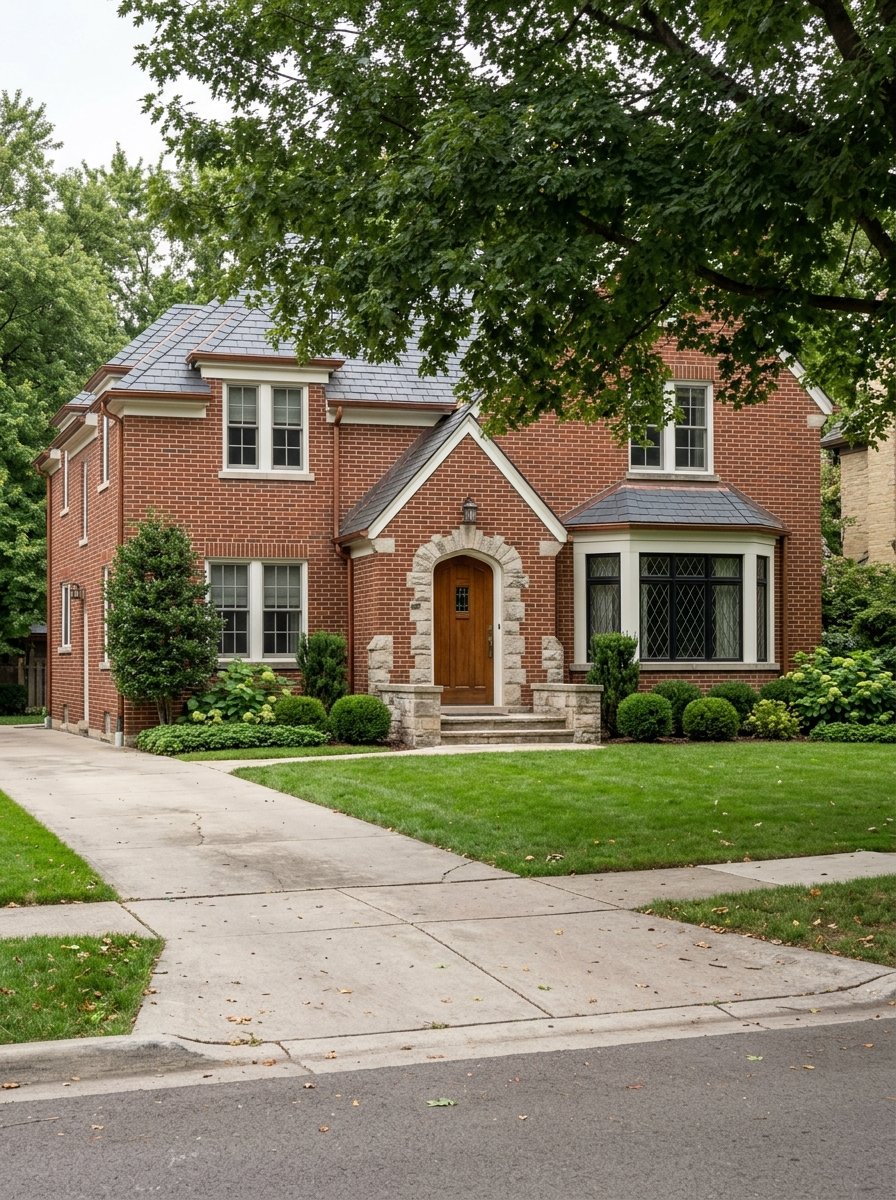
Jamaica Estates stands out because it feels different from many parts of Queens. It is known as a planned, low-density residential enclave in eastern Queens, with detached homes, larger lots, and a streetscape shaped in part by English Tudor design influences.
The neighborhood is roughly bounded by Utopia Parkway, 188th Street, Hillside Avenue, and Union Turnpike. The local community association describes it as a planned suburban area that dates to 1929 and includes about 1,800 families.
That planning history still shows up in the day-to-day feel of the area. You are more likely to notice quiet residential blocks, open yard space, and homes set apart from one another than rows of storefronts or apartment-heavy streets.
Housing in Jamaica Estates
One of the biggest reasons people look at Jamaica Estates is the housing stock. New York City Planning describes it as one of the city’s mapped R1-2 areas, a low-density district made up of large single-family detached homes on spacious lots.
That zoning matters because it shapes what you actually experience as a resident. R1 districts include generous yard requirements, open-space preservation, and one off-street parking space per dwelling unit, which helps support the neighborhood’s less crowded feel.
For buyers, this often translates into a setting that feels more suburban than urban. If you value separation between homes, more private outdoor space, and a traditional detached-home layout, Jamaica Estates may check important boxes.
Architectural Character
Jamaica Estates has a recognizable design identity tied to English Tudor architecture. The community association notes that street names like Tudor, Kent, Avon, Wexford, and Tryon were part of the original planned aesthetic.
At the same time, the look is not frozen in place. The association also notes that some newer, larger homes have changed parts of the neighborhood’s original appearance, so you may see a mix of classic architectural character and more updated residential styles.
What Daily Life Feels Like
The simplest way to describe Jamaica Estates is this: suburban pace, city access. The combination of detached homes, large lots, and open-space requirements creates a quieter daily rhythm than you will find in many denser Queens neighborhoods.
That does not mean everything is at your doorstep. Most daily shopping and dining are concentrated along bordering commercial corridors rather than in the interior of the neighborhood itself, so your routine may include heading out to nearby main roads for errands, meals, and services.
For some buyers, that is a major plus. You get a more peaceful home base while still staying close to commercial activity when you need it.
Shopping and Dining Access
The adjacent Hillside Avenue and Jamaica Avenue corridors function as the area’s main commercial spine. According to New York City Small Business Services, these corridors include immigrant-owned restaurants, medical offices, financial institutions, and retail stores.
This setup gives you practical convenience without changing the residential character inside Jamaica Estates. In other words, your block may feel quiet and home-focused, while nearby corridors handle much of the neighborhood’s day-to-day commerce.
Commuting From Jamaica Estates
Transit is one of the neighborhood’s key strengths, especially if you want a residential setting but still need to get around Queens, Manhattan, or other parts of the region. The closest subway hub is Jamaica-179 St, the F train terminal under Hillside Avenue between 178th Street and 181st Street.
The Metropolitan Transportation Authority lists Jamaica-179 St as fully accessible. That can be an important detail if accessibility is part of your daily planning.
Bus service also plays a major role in how people move around this part of Queens. The Q43 runs through Jamaica via Sutphin Boulevard and Hillside Avenue, and the Q76 runs via Francis Lewis Boulevard and Hillside Avenue, with stops around 179th Street and 187th Street.
NYC DOT also reports that the Hillside Avenue bus-lane project serves 215,000 daily riders on 22 MTA bus routes, plus 21,000 daily riders on five NICE routes. The project also improves connections to nearby subway lines, the Long Island Rail Road, and the JFK AirTrain.
What the Commute Balance Looks Like
In practical terms, Jamaica Estates often works well for buyers who are comfortable using a mix of buses, cars, and subway service. The neighborhood’s layout suggests that first-mile travel may often depend on a bus or car, while the nearby F train and broader transit network keep the city accessible.
That balance is part of what makes the area distinctive. You are not living in the middle of a dense transit-and-retail grid, but you are also not cut off from the wider city.
Parks and Outdoor Space Nearby
If green space matters to you, Jamaica Estates benefits from several nearby options. One close-by amenity is Captain Tilly Park in neighboring Jamaica Hills.
NYC Parks describes Captain Tilly Park as a 9.16-acre woodland neighborhood park centered on Goose Pond, with a play area and restrooms. It offers a more natural setting than you might expect in a New York City neighborhood.
For larger-scale outdoor time, Cunningham Park is another important option in eastern Queens. NYC Parks lists it at 358 acres, with 20 tennis courts and extensive natural areas.
That kind of nearby access can make a real difference in your weekly routine. Whether you want space to run, enjoy tennis, or spend more time outdoors on weekends, these parks help support that lifestyle.
Everyday Amenities
Jamaica Estates also has useful civic amenities nearby. The Hillcrest Branch of Queens Public Library sits on the neighborhood border at Union Turnpike and 187th Street.
For many buyers, details like this help round out the picture of daily life. It is not just about housing style or commute options. It is also about whether the neighborhood supports your routines in practical, low-stress ways.
Who Jamaica Estates Usually Fits Best
Jamaica Estates is often a strong fit if you want privacy, a more residential streetscape, and a neighborhood that feels distinct from the city around it. Buyers who prioritize detached homes, larger lots, and a quieter pace often find the area especially appealing.
It may also work well for you if you like having access to the city without living in the middle of nonstop activity. The neighborhood offers a blend that can be hard to find in Queens: a lower-density setting with meaningful transit connections nearby.
Potential Tradeoffs To Consider
Every neighborhood comes with tradeoffs, and Jamaica Estates is no different. If you want nightlife, storefronts on every block, or a dense retail environment right outside your door, this may feel too quiet or too spread out.
You may also find that daily errands depend more on nearby commercial corridors than on corner-to-corner walkable retail within the neighborhood itself. For the right buyer, that tradeoff feels worth it. For others, it may not.
Why Buyers Keep Jamaica Estates on Their List
Jamaica Estates has a clear identity, and that is part of its appeal. It offers a planned residential environment, detached homes on spacious lots, nearby parks, and access to transit through the F train and major bus routes.
For many buyers, the neighborhood represents a specific kind of Queens lifestyle. You get a quieter home setting and more breathing room, while still staying connected to the broader city.
If that balance sounds like what you have been looking for, it may be worth taking a closer look at current opportunities in Jamaica Estates. If you want local guidance on buying or selling in Jamaica Estates, connect with Crystal Burns to schedule a consultation or request a free home valuation.
FAQs
What is Jamaica Estates in Queens like for everyday living?
- Jamaica Estates offers a quieter, low-density residential feel with detached homes, larger lots, nearby parks, and access to shopping and dining along bordering commercial corridors.
What kind of homes are common in Jamaica Estates?
- Jamaica Estates is known for large single-family detached homes on spacious lots in a low-density R1-2 zoning district.
How do you commute from Jamaica Estates, Queens?
- Many residents use the F train at Jamaica-179 St along with bus service on Hillside Avenue, including routes such as the Q43 and Q76.
Are there parks near Jamaica Estates?
- Yes. Nearby options include Captain Tilly Park in Jamaica Hills and Cunningham Park, a large eastern Queens park with tennis courts and natural areas.
Is Jamaica Estates a good fit if you want walkable retail?
- Jamaica Estates may be less ideal if you want storefronts on every block, since most shopping and dining are concentrated along nearby commercial corridors rather than inside the neighborhood itself.